Are you looking for ideas to make your furry friend’s life better? Canine enrichment is all about providing activities and environments that look after your dog's physical, mental, and emotional wellbeing. In other words, finding ways to enrich your dog’s life!
As the saying goes, ‘variety is the spice of life’, and the same applies to your dog. Choosing a mix of different activities that engage your dog’s senses will keep things interesting for you both.
On this page
What is canine enrichment?
Taking your dog for a walk in a new environment, using toys and puzzles, and allowing them to socialise with other dogs and humans are all great enrichment activities. There are lots of ways to provide enriching activities for your dog, and you don’t need to spend money. You're probably already providing many enrichment activities for your dog without thinking about it and we have more ideas to share!
Loading video...
What are the benefits of canine enrichment?
Canine enrichment has many benefits, but the main goal is to improve your dog's overall quality of life. By providing safe opportunities for your dog to chew, dig, hunt, herd, and sniff, you can prevent behaviour problems and keep your dog healthy and happy. Enrichment activities also build confidence and reduce anxiety, creating a deeper bond between you and your dog.
What are the different types of canine enrichment?
Just like us, looking after your dog’s wellbeing means considering a range of activities to meet their mental and physical needs. These different enrichment activities can be split into the following categories:
Brain games – ‘Cognitive or mental enrichment’
Encouraging your dog to learn or use their brain is called cognitive, or mental, enrichment. It challenges your dog's ability to think, learn, and remember. Activities include puzzles and problem-solving exercises, training or learning new tricks or behaviour and exploring new environments.
These brain games are not only a great way to challenge your dog’s abilities and keep their brain active and engaged, but are also helpful for older dogs, as it can slow down age-related cognitive decline. It's also beneficial for dogs with specific behavioural issues as keeping them mentally active can help with boredom and anxiety.
So how can you keep your dog’s mind active?
Use food puzzles, such as food-dispensing toys or interactive feeders, to make mealtime or playtime more challenging and rewarding
Engage in brain games and training exercises that require your dog to think and problem-solve, like scent games or agility training
Expose your dog to new and varied environments, such as taking them to a different park or outside area they aren't familiar with
Teach new tricks and behaviours, such as hand signals or advanced obedience cues
Introduce new, or rotate existing dog toys, or even play hide-and-seek with them!
Did you know? Just five minutes of 'brain work' is as tiring as a thirty-minute walk!
Exercise – ‘Physical enrichment’
Physical enrichment activities are all about getting your dog up and moving and challenging them physically. Not only do these activities provide your dog with a great outlet for their energy and natural instincts, but they also keep them happy and healthy.
Regular physical exercise helps prevent obesity and other health problems, and it’s a fun way to bond with your dog. Plus, keeping them active helps to reduce boredom and problem behaviour that can stem from a lack of physical activity.
Run, jump and play with your dog! Here are some ideas for having fun with your dog:
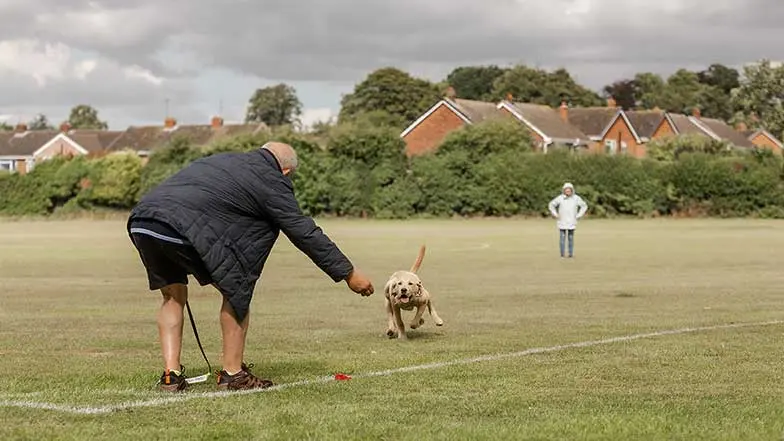
Allow to your dog to have regular off-lead exercise in a safe or enclosed area
Play fetch with a toy or a flirt pole - a long pole with a lure attached by rope to the end that you wave around for your dog to chase
Do some agility training with your dog – this might include obstacle courses or performing physical challenges outside of the usual day to day activities
Teach your dog tricks that require physical effort, such as rolling over or crawling
Socialising – ‘Social enrichment’
Dogs are social creatures, just like us! That’s why it’s essential for our furry friends to meet and interact with other dogs and people. Activities that involve these positive interactions are known as ‘social enrichment’ and can bring much joy to your dog and boost their overall wellbeing.
Social enrichment activities help your dog develop and maintain good relationships. Playing or walking with other dogs is an excellent way for them to learn through interaction and play. It also helps teach them how to behave appropriately with other dogs and humans, reducing fearfulness and overexcitement.
Socialisation is key to your dog’s overall wellbeing and here are some ideas for opportunities for your dog to mingle, play and make new friends!
Go to the park where they can play and interact with other friendly dogs
Sign up for training classes or obedience competitions with other dogs and their owners
Join a local dog walking group where your dog can meet other dogs and their owners
Invite friends or family members to visit and interact with your dog
Stroke and groom your dog if they enjoy this
Arrange visits to doggy day care or participate in organised walks with a professional dog walker and other dogs
Sights, smells and sounds – ‘Sensory enrichment’
Sensory enrichment is like a big adventure for your dog! Sensory enrichment activities include anything that stimulates your dog's senses, from sniffing new smells, exploring new places, feeling different textures and listening to unusual sounds.
Giving your dog opportunities to explore and activate their senses is not only exciting but also important for their wellbeing. It helps keep them entertained and lessens the risk of anxiety and problem behaviour. Introducing your dog to new and varied experiences also allows them to become more adaptable and resilient, as unfamiliar sounds, sights, or feelings don't easily unsettle them.
So how can you provide sensory enrichment for your dog? Here are some fun ideas to try out:
Take your dog on an adventure, explore a new environment or visit a dog-friendly beach
Offer a variety of textures for your dog to play with, such soft or textured toys or bumpy surfaces to walk on
Introduce new scents by hiding food or toys with different smells for your dog to find
Play different types of music or introduce your dog to new sounds
Try scent training exercises like hiding food and encouraging them to ‘sniff it out’
Tasty treats – ‘Food enrichment’
Incorporating food into playtime or training is called ‘food enrichment’. It’s not just about satisfying your dog’s taste buds – it can also be mentally stimulating, enriching for the senses, and physically beneficial too!
Food enrichment adds a fun and exciting twist to your dog’s meals, keeping their mind active and engaged. If your dog has a habit of eating too quickly, interactive feeders and toys can help slow them down and enjoy their food.
Remember, moderation is key. Food enrichment should never replace regular meals and it’s best to use part of your dog's daily meal allowance for these activities to ensure they’re not eating more than is recommended. If you're using food rewards, make sure they’re dog-safe and always keep an eye on your dog to prevent accidents or choking.
Here are our favourite stimulation activities using food:
Use food-dispensing toys such as hollow rubber toys, treat balls, or interactive feeders to make mealtime more challenging and rewarding
Hide food around the house or garden to encourage your dog’s natural instincts
Use small food rewards during training sessions
Offer a variety of dog-friendly food and flavours to keep your dog's diet interesting and nutritious
Canine enrichment toys and equipment
As we’ve suggested above, playing games and using toys is a fun and effective way to keep your dog active and engaged. Not only will it stimulate their senses and keep their mind and body busy, but it’s also a great way to bond with your dog.
Check out some of the most popular games and toys below to get started. And if you’re looking for budget-friendly options, be sure to take a look at our DIY dog toys for some creative inspiration!
Puzzle toys and puzzle feeders
These toys require your dog to figure out how to get to the food inside and include:
Rubber hollow fill toys: These can be filled with food. Your dog must work to get the food out by licking, chewing, or rolling the toy.
Treat balls: These have a small opening through which your dog can get the food inside. Your dog must figure out how to roll the ball to release the pieces of food.
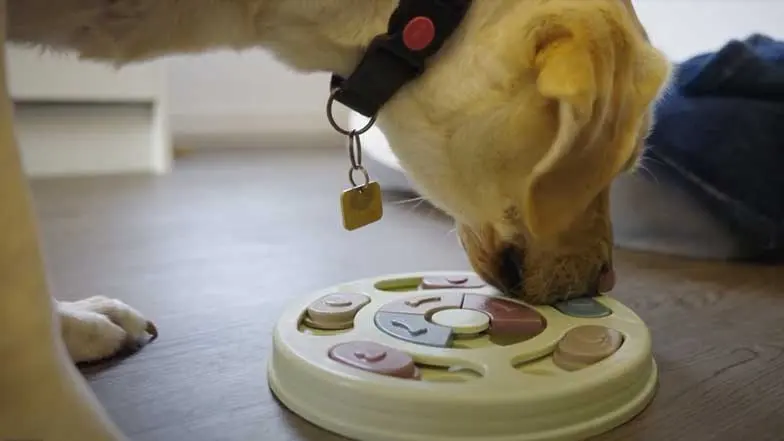
Interactive feeders: These have compartments or mazes your dog must navigate to get to the food.
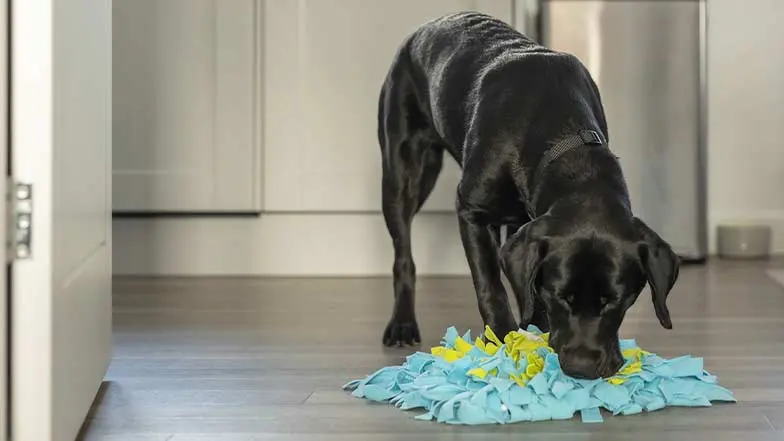
Snuffle mats: These have various small pockets or grooves where food can be hidden for your dog to sniff out and find.
Puzzle toys are a fun and interactive way to feed your dog their meals. These toys challenge your dog's problem-solving abilities and encourage them to think and learn. To ensure safe playtime, it’s important to choose puzzle toys that match your dog’s size and skill level and always supervise to ensure they don’t accidentally swallow small parts.
Lick mats
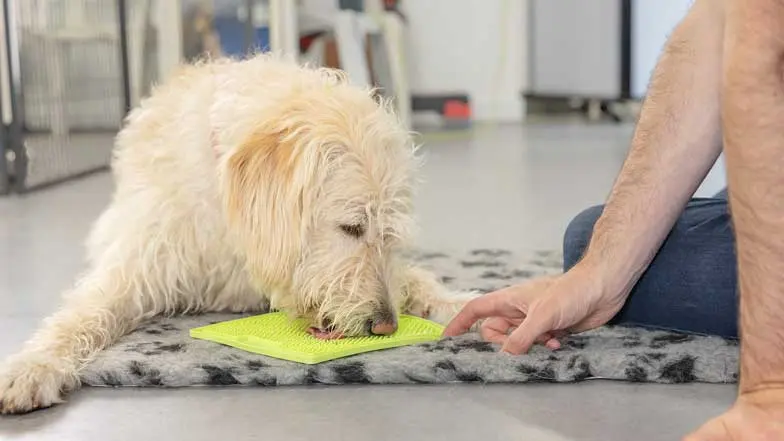
Lick mats are made of silicone or rubber. They have a textured surface which can be filled with wet or semi-wet food. Lick mats provide your dog with a fun and engaging way to eat their meals and are also used to slow down dogs that eat too fast.
Chew toys
These are more robust rubber toys that are designed for your dog to chew on safely, saving your table leg or child's teddy!
Agility equipment
These include obstacles such as tunnels, jumps, and weave poles that can be set up in the garden or at a park for your dog to navigate.
DIY enrichment toys and brain games for your dog
There are many different types of homemade toys and activities you can create for your dog without spending money. Here are a few examples to get you started:
You can create your own puzzle toys using items you have at home, such as cardboard boxes, plastic bottles, or paper bags. You can hide food inside a box filled with screwed-up paper, empty bottles and cardboard tubes and let your dog use nose work to get to them. Warning – they will make a mess, so have your recycling bin at the ready!
Drill small holes into a piece of PVC pipe. Then fill it with food and watch your dog figure out how to get the goodies out.
Make a tug toy for your dog by braiding together old t-shirts or ropes. This can be a great way to provide your dog with mental and physical stimulation as they pull and shake the toy!
Place food in the cups, then hide the muffin tin somewhere in the house or garden for your dog to find. Putting a small toy on top of the food makes it more challenging as your dog must figure out how to move the ball or toy to get to the goodies.
Make a lick mat using a silicone baking mat or a rubber shower mat. Smear on wet dog-friendly food and let your dog lick it off.
Dig out an old towel or fleece and make a snuffle mat by cutting it into small strips and tying them together to create a mat with lots of pockets and grooves. Put food in the pockets and grooves and let your dog sniff them out.
Randomly toss your dog's food into grass, leaves, a room or on different levels of furniture for your dog to sniff out. Alternatively, make a trail by laying out food, Hansel and Gretel style, inside or outside. Place the food on the ground, on low walls or chairs, around a tree, up on a branch, around a room or under a cushion. Use your imagination but make sure there is a jackpot of treasure (food) at the end of the trail as a reward for your dog’s hard work!
Place food on a towel and roll the towel up. Let your dog work the towel open with their nose to find the food. To make this more challenging, place the treats in a dog-safe enrichment toy in the towel.
Keeping an eye on your dog while they play with homemade toys and activities is crucial to ensure their safety. It’s important to use only dog-friendly and safe materials and check the toys are suitable for your dog’s size and play style. By supervising your dog during playtime you can ensure they’re having fun and staying safe at the same time!
How do I choose the right activities for my dog?
Dogs are individuals, so what works for one dog may not work for another.
Remember – whichever activity you choose for your dog, always supervise them during playtime, especially when using new toys or equipment. It’s important to choose safe and non-toxic toys that are appropriate for your dog’s size and skill level. Don’t forget to clean or sanitise toys after use to prevent germs or bacteria spreading. Many interactive feeders are dishwasher safe making it easy to keep them clean.
If you're unsure whether an activity is suitable for your dog, it’s always a good idea to speak to your veterinarian or a professional dog trainer to ensure that the enrichment activities you choose are safe and appropriate for dog’s individual needs. Some things to consider when choosing activities for your dog:
Some dogs may have health conditions that make certain enrichment activities difficult or unsafe. For example, a dog with arthritis may not be able to enjoy agility training but would benefit from activities to keep their mind active.
Some breeds of dogs may enjoy certain enrichment activities more than others. For example, one dog might enjoy very physical agility training whilst another may prefer puzzle toys.
Puppies and older dogs may have different needs and limitations when it comes to enrichment activities. Puppies may not be able to handle the same level of physical activity as an adult dog, and older dogs may not be able to handle the same level of mental stimulation provided by some puppy enrichment activities.
It’s essential to supervise your dog during playtime, especially when using new toys or equipment. This can help to prevent injuries and accidents.
Some toys and equipment may need to be cleaned or sanitised after use to prevent the spread of germs or bacteria. Many interactive feeders are dishwasher-safe.
It's important to choose toys that are appropriate for your dog's size and skill level and that are made of safe and non-toxic materials.
Reviewed by: Tim Stafford, Director of Canine Affairs on 22 May 2024
Guide Dogs is committed to the highest standards of dog welfare, operating on the knowledge that the welfare of our dogs is inseparable from the wellbeing of our service users. Our staff, volunteers, and service users, undergo comprehensive training in dog care and welfare, to ensure close adherence to our key welfare principles.
We create educational and informative content to share our 90-plus years’ worth of canine expertise. This content is periodically reviewed as we continue to embrace new knowledge and scientific insights to improve how we breed, raise, train, and partner our dogs.
Whilst Guide Dogs may be able to suggest various third-party websites and third-party products when pertaining to dog care, those are not endorsed by Guide Dogs. Guide Dogs has no control over those third parties and cannot be held responsible for the accuracy of information and support they can provide or the suitability and quality of any products or services they provide.